Choosing the right tube welding fixture can change the trajectory of a job—I’ve watched a line go from fighting distortion all morning to hitting takt time by afternoon after we swapped in a better fixture. It touches everything: weld integrity, throughput, and total cost. Because we spend our days inside real production environments at WUXI ABK MACHINERY CO., LTD., we’ve seen where fixtures make or break results, and we’ve learned what actually matters when you’re deciding between standard and custom options—and how to match a fixture to your volumes, processes, and future plans.
Understanding Tube Welding Fixtures and Their Importance
1. Defining Tube Welding Fixtures and Their Role in Fabrication
Tube welding fixtures are purpose-built tools that locate, hold, and stabilize tubular workpieces during welding. By locking in alignment and maintaining dimensional accuracy, they provide the stability needed for high-quality, repeatable welds. The right fixture minimizes distortion, shortens setup times, and improves welder safety. In practice, they’re essential for consistent outcomes across industrial applications.
2. Why Precision Fixturing is Critical for Tube Welding Quality
Precision fixturing directly determines how well welded tube assemblies perform. Accurate positioning avoids misalignment and the defects that follow—insufficient penetration, excess spatter, or weak joints. Keeping joint geometry consistent leads to uniform heat input, which lowers residual stress and post-weld distortion—persistent issues in tube fabrication. Better welds mean less rework, less scrap, and longer service life for the finished product. For more information on enhancing welding quality, consider reading How To Improve The Quality Of Pipe Welding Through A High Precision Welding Positioner.
Key Differences Between Custom and Standard Tube Welding Fixtures
Choosing between custom and standard tube welding fixtures involves a comprehensive evaluation of several factors. Each type offers distinct advantages and disadvantages depending on the specific project requirements and operational context. We examine these differences to guide your decision-making process.
1. Analyzing Design Flexibility and Adaptability
Standard tube welding fixtures offer limited design flexibility. They are generally mass-produced for common tube sizes and geometries, providing a ready-to-use solution. Custom fixtures, conversely, are engineered specifically for unique or complex tube configurations. This bespoke design allows for optimal clamping, support, and access, accommodating intricate angles or multi-axis positioning requirements. Custom designs adapt to evolving project needs, offering greater versatility for specialized applications.
2. Comparing Initial Investment and Long-Term Costs
Standard fixtures typically require a lower initial investment due to their standardized manufacturing process. Their cost-effectiveness makes them attractive for projects with common specifications or smaller budgets. Custom fixtures, however, involve higher upfront costs due to specialized design, engineering, and manufacturing efforts. Despite this, custom solutions often lead to significant long-term savings by reducing rework, improving weld quality, and increasing production throughput. The enhanced efficiency and reduced material waste can offset the initial expenditure over the fixture’s lifespan.
3. Evaluating Lead Times and Availability for Production Schedules
Standard fixtures are readily available from manufacturers or suppliers, ensuring quick deployment and minimal impact on production schedules. This immediate availability is beneficial for urgent projects or those with tight deadlines. Custom fixtures require a longer lead time, encompassing design, prototyping, testing, and manufacturing phases. Planning for custom solutions must account for this extended development period, integrating it into the overall project timeline.
4. Assessing Performance and Precision Capabilities
Standard fixtures provide adequate performance for routine welding tasks, offering acceptable precision for general applications. Their design often incorporates universal adjustments, which can sometimes compromise ultimate precision for specific parts. Custom fixtures are engineered for unparalleled performance and precision, tailored to achieve exact tolerances and optimal weld quality for challenging components. They integrate advanced features like automated clamping and precise alignment mechanisms, ensuring superior repeatability and accuracy.
Advantages of Standard Tube Welding Fixtures
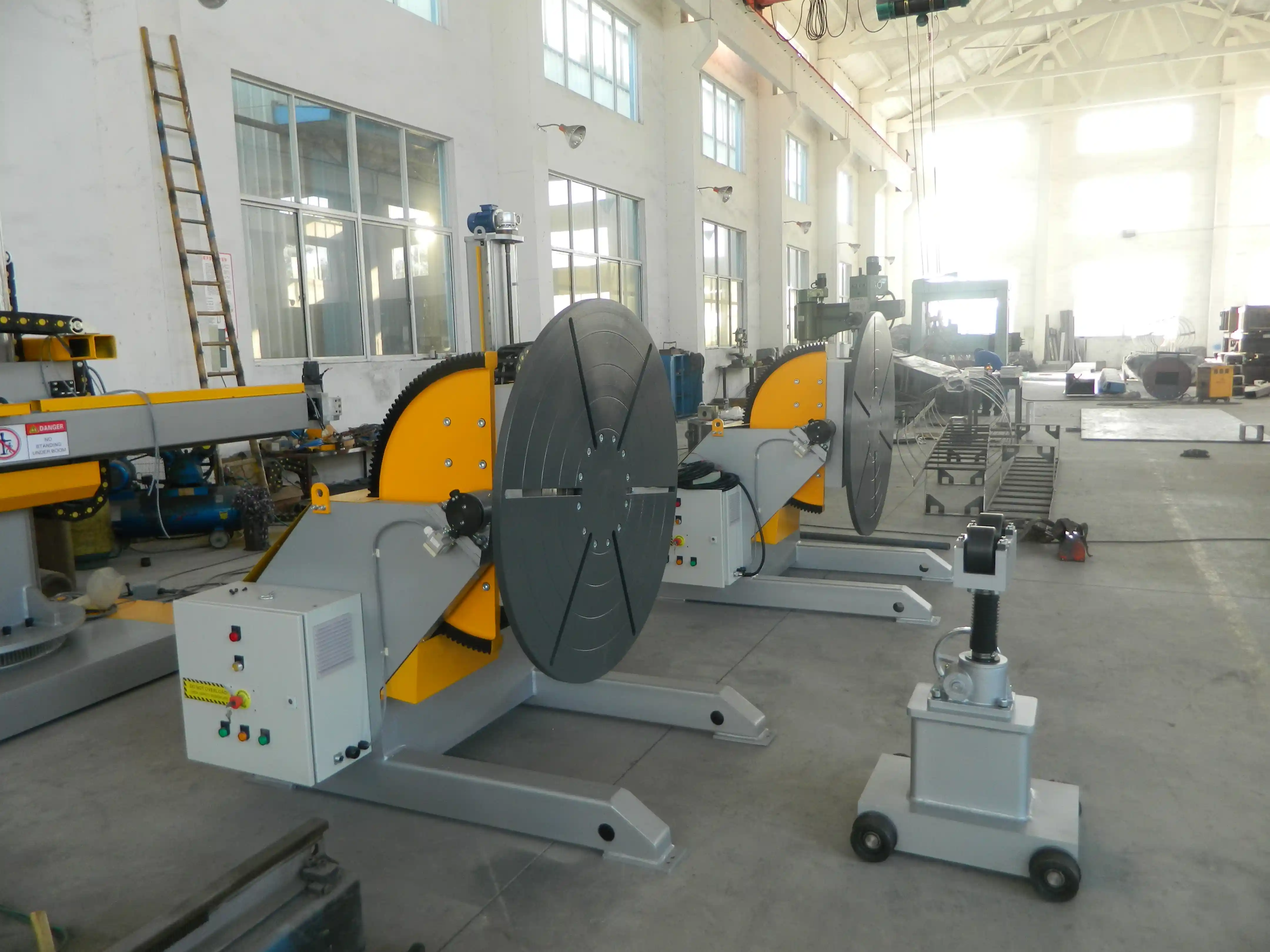
Standard tube welding fixtures present several compelling advantages for operations handling common tube geometries and moderate production volumes. Their widespread availability and straightforward design contribute to their appeal. We outline the primary benefits of opting for standard solutions.
1. Exploring Cost-Effectiveness and Rapid Deployment
Standard tube welding fixtures benefit from economies of scale, making them inherently more affordable. They’re available off-the-shelf, so you avoid the engineering and design costs tied to custom builds. That availability also means faster start-up—quick to install, minimal calibration, and production can ramp immediately. For tight schedules or variable demand, this speed is valuable.
2. Identifying Common Applications and Industries Served
These fixtures are common across industries for routine tube work—think exhaust systems, general plumbing, and structural pieces with standard pipe diameters. Automotive, construction, and HVAC teams rely on them for consistent output and easy integration. They’re a solid fit for repeat work where dimensions don’t change.
3. Understanding Ease of Use and Maintenance
Standard fixtures are straightforward to operate and typically require little training. Familiar layouts and readily available spare parts simplify upkeep. That ease reduces downtime and helps keep maintenance costs in check. Built robustly, many standard designs stand up well to demanding shop conditions.
Benefits of Custom Tube Welding Fixtures
Custom tube welding fixtures offer specialized solutions for unique and complex fabrication challenges. These bespoke tools provide significant advantages where standard options fall short. We explore the key benefits of investing in custom-engineered fixturing.
1. Achieving Optimal Performance for Unique Welding Challenges
Custom fixtures are tailored to the exact part—tight bends, mixed wall thicknesses, unusual alloys, or difficult joint access. The geometry is engineered for precise fit-up and alignment, which is essential for superior weld quality on complex parts. That specificity reduces defects and strengthens the finished assembly. For precision components, nothing outperforms a well-designed custom fixture.
2. Maximizing Efficiency and Repeatability for Specialized Tasks
Matching the fixture to the workpiece reduces setup and adjustments dramatically. The result: higher throughput and consistent, high-quality welds across every unit. For industries with rigorous QA—such as aerospace and medical—this repeatability is non-negotiable. Custom fixtures also integrate cleanly with automated welding systems to push productivity further.
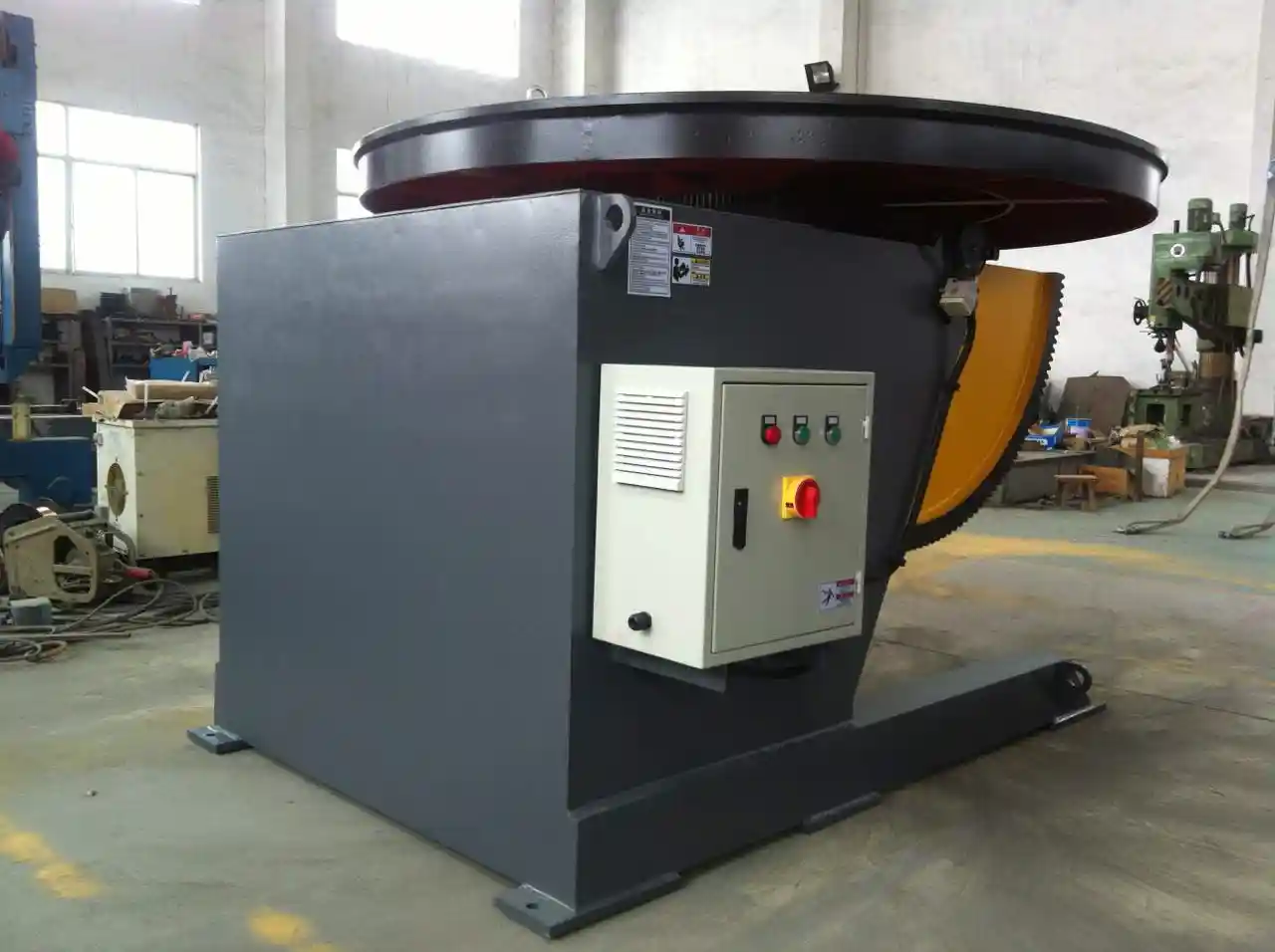
You may find Tired Of Complex Welding Challenges How A 3 Axis Positioner Can Boost Productivity By 70 helpful for improving efficiency.
3. Addressing Complex Geometries and Tight Tolerances
When geometries get complicated or tolerances tighten, custom shines. Engineers place supports and clamps exactly where they’re needed to control distortion during welding. That precision is vital when parts must meet strict dimensional specs. With the right design, even the most unusual tube assemblies can be welded cleanly and efficiently.
How to Select the Ideal Tube Welding Fixture for Your Project
Choosing the right tube welding fixture requires careful consideration of several factors. An informed decision ensures optimal performance, cost-effectiveness, and alignment with production goals. We outline the essential steps for selecting the ideal solution.
1. Assessing Project Requirements and Production Volume
Start by defining the core requirements: tube sizes, materials, and the weld quality targets you have to hit. Then match the fixture strategy to your volume. High-volume programs often warrant specialized fixtures that save seconds every cycle. For prototypes or low-volume work, a more flexible, lower-cost option may be the smarter move.
2. Considering Material Compatibility and Welding Process Integration
Verify the fixture materials won’t contaminate or damage the tube material. Consider the welding process—TIG, MIG, laser—and how the fixture will tie into existing automation or robots. It should allow clear access for the torch and any sensors or monitoring gear. Good integration improves both efficiency and quality.
3. Evaluating Future Scalability and Adaptability Needs
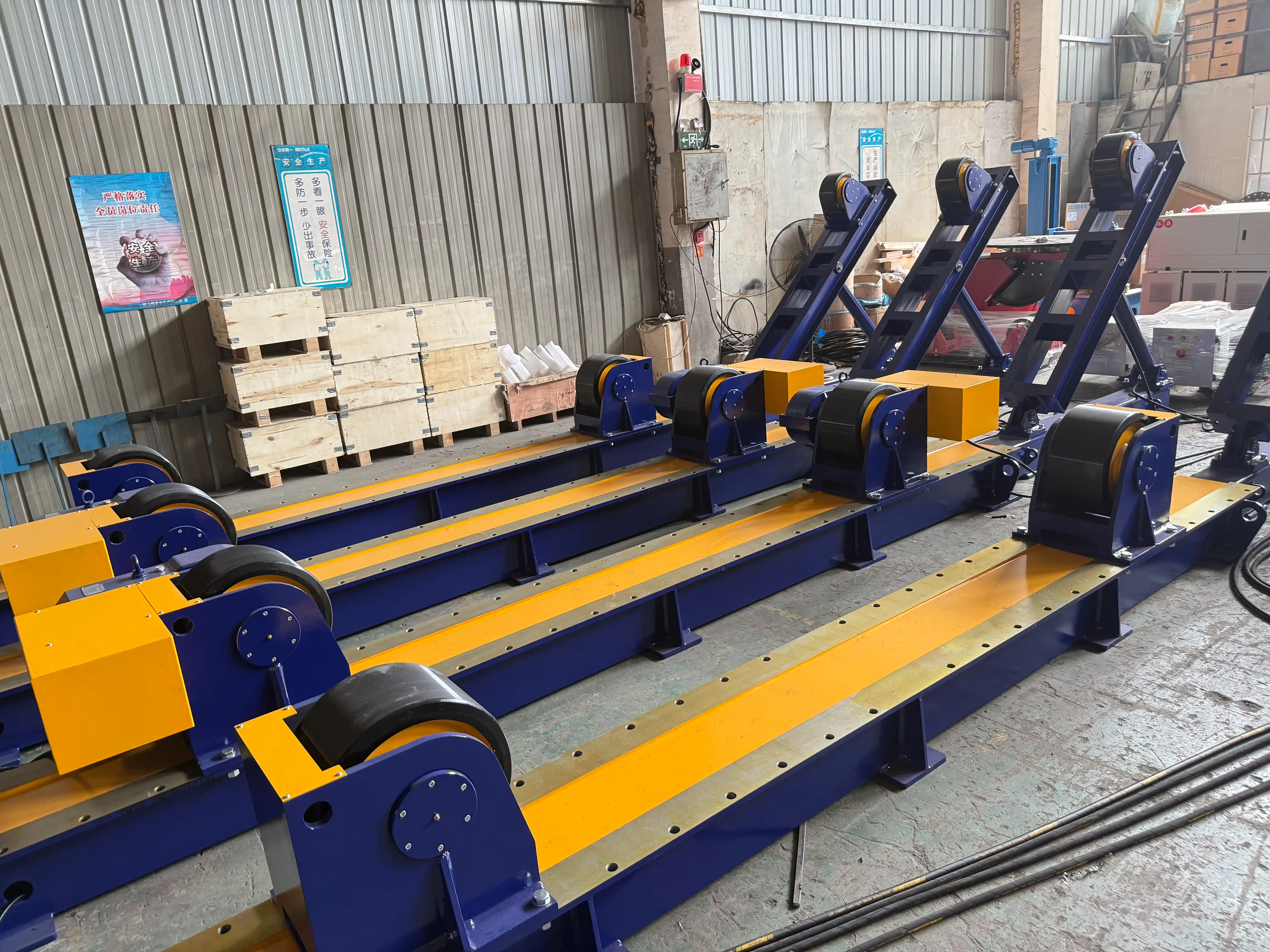
Think ahead: will tube sizes, designs, or volumes change? A modular or adaptable fixture can protect your investment. With highly specialized custom tools, assess how easily they can be retooled or modified as specs evolve. Planning for scalability extends the fixture’s useful life.
4. Partnering with an Experienced Fixture Manufacturer like WUXI ABK
A strong manufacturing partner brings deep design and engineering know-how. The right team will advise on materials, optimize the design, and ensure smooth integration with your line. That expertise helps you meet technical specs and operational demands without surprises. WUXI ABK MACHINERY CO., LTD. supports customers through every stage—from concept to run-off.
Optimize Your Tube Welding Operations with WUXI ABK
Choosing the correct tube welding fixture significantly impacts your production efficiency and weld quality. Whether you require a standard solution or a custom-engineered fixture, WUXI ABK MACHINERY CO., LTD. offers expertise and reliable products to meet your specific needs. Contact us today to discuss your project requirements and find the perfect fixturing solution.
Mobile : +86-13815101750
Courriel : jay@weldc.com
A propos de l'auteur
Michael Zhou, chef de projet
Michael Zhou, expert en automatisation du soudage, est spécialisé dans la conception et l'optimisation des lignes et des équipements de soudage. Il aide les entreprises à améliorer l'efficacité de leurs opérations de soudage et à atteindre une production automatisée de meilleure qualité.
FAQ
1. What factors influence the cost of a custom tube welding fixture?
Costs are driven by design complexity, material choice, and the manufacturing approach. Intricate geometries, specialty alloys, and automated features add engineering time, prototyping, and testing—each of which increases overall expense.
2. Can standard tube welding fixtures be modified for specific needs?
Often, yes. Small tweaks—like adding custom clamps or hard stops—are common. But heavy modifications can undermine rigidity or end up costing more than a purpose-built custom fixture. Weigh the scope of changes before committing.
3. How does fixture precision impact welding quality and efficiency?
High-precision fixturing keeps parts aligned, minimizing joint gaps and misfit. That alignment reduces porosity and distortion, raising weld quality while cutting rework. It also speeds the process by eliminating adjustment and repair time.
4. What are the typical lead times for custom tube welding fixture development?
Lead times generally span several weeks to a few months, covering design, engineering, material procurement, fabrication, and testing. Expect longer timelines for complex designs or specialized materials.
5. When is it more economical to invest in a custom fixture over multiple standard ones?
When volumes are high, geometries are complex, or tight quality targets demand top-tier precision, a single well-engineered custom fixture can outperform multiple standard units—boosting efficiency and lowering total cost over the life of the program.
 English
  Español
  Français
  Deutsch
  Português
  Русский